Supreme Clothing and the Influence of Creative Hobbies
How Hobbies Shape Personal Fashion
Personal fashion often develops through the activities people enjoy outside their daily responsibilities. Photography, music, drawing, skateboarding, and collecting vintage items can all influence the way someone chooses clothing. These interests introduce colours, shapes, symbols, and visual references that may eventually become part of an everyday wardrobe. Streetwear is particularly suitable for this kind of experimentation because it combines practical garments with creative details. Instead of following one fixed aesthetic, people can build outfits that reflect their hobbies and experiences, making personal style feel more meaningful and individual.
The Connection Between Art and Everyday Clothing
Art influences fashion in many ways, from graphic illustrations and typography to unusual colour combinations and abstract patterns. A person who enjoys visual art may prefer clothing with expressive prints, while someone interested in architecture might appreciate clean lines and structured silhouettes. These preferences do not need to dominate an entire outfit. A single graphic T-shirt, colourful accessory, or distinctive jacket can communicate an interest while leaving the rest of the combination simple. This balance makes creative fashion easier to wear regularly without sacrificing individuality.
Music as a Source of Streetwear Inspiration
Music has long influenced how people dress, helping different communities develop recognisable styles. Concert photography, album artwork, performance clothing, and local music scenes can all inspire everyday combinations. Some people prefer understated outfits influenced by alternative music, while others enjoy bold graphics and expressive colours associated with energetic performances. The most interesting results often come from adapting these influences rather than copying a complete look. Combining a favourite graphic top with familiar jeans and comfortable footwear allows music-inspired fashion to become part of an individual wardrobe.
The Creative Atmosphere of London Fashion
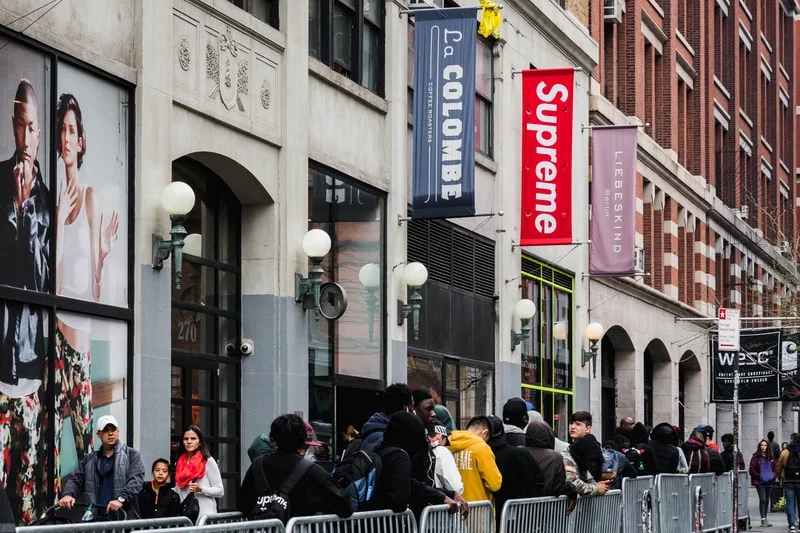
Supreme London offers a starting point for considering how urban environments encourage creative clothing choices. London brings together music venues, galleries, independent creative spaces, historic architecture, and diverse communities. These surroundings can influence everything from colour preferences to the way people combine vintage and contemporary garments. Practical clothing also matters in a city where weather and daily activities can change quickly. Layered outfits, versatile footwear, and adaptable outerwear allow personal style to remain expressive while supporting the demands of everyday urban life.
Finding Inspiration in Photography
Photography encourages people to notice details that might otherwise go unnoticed. Light, shadows, textures, architecture, and colour contrasts can all influence the way someone approaches an outfit. A photograph featuring muted city colours might inspire a neutral wardrobe, while a vibrant street scene could encourage experimentation with brighter garments. Photography can also change how people think about proportions and layering because images make visual relationships easier to observe. Rather than purchasing new clothes immediately, try recreating an interesting colour combination with pieces already available in your wardrobe.
Why Graphic Designs Attract Creative People
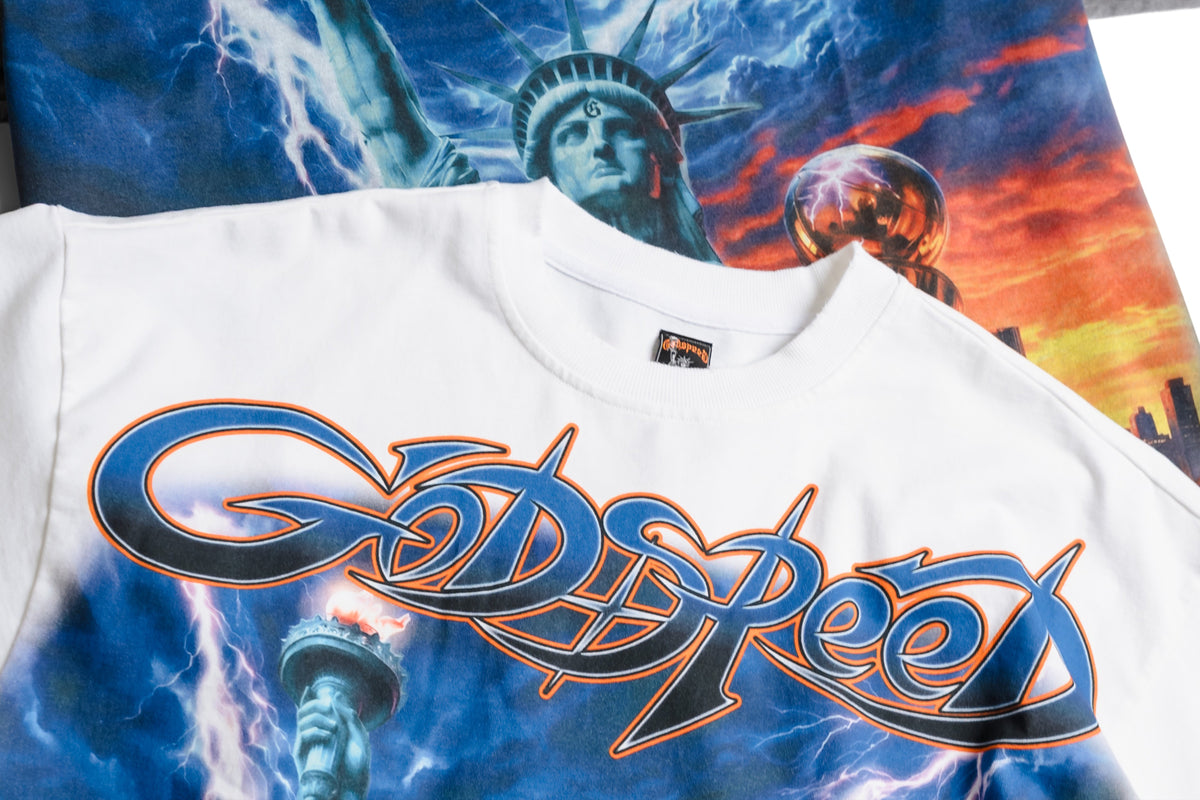
Graphic designs allow clothing to carry visual references that connect with personal interests. Illustrations, lettering, abstract shapes, and symbolic imagery can transform a familiar garment into a statement piece. The meaning may be obvious to everyone, or it may represent a private interest understood only by the wearer. When styling graphic clothing, it helps to consider how the print interacts with surrounding colours and shapes. Simple trousers and understated footwear can provide balance, while a smaller graphic may work comfortably alongside other expressive details.
Comfortable Clothing for Creative Routines
Creative activities often involve different environments and unpredictable schedules. Someone may spend a morning sketching, an afternoon exploring the city, and an evening meeting friends. Clothing that adapts to these activities can make the day more comfortable. Relaxed trousers, breathable tops, practical jackets, and dependable footwear provide a useful foundation. Layers are especially valuable because they can be added or removed as conditions change. Choosing comfortable garments does not mean ignoring appearance; thoughtful proportions and coordinated colours can make practical clothing look considered and distinctive.
The Versatility of Hooded Sweatshirts
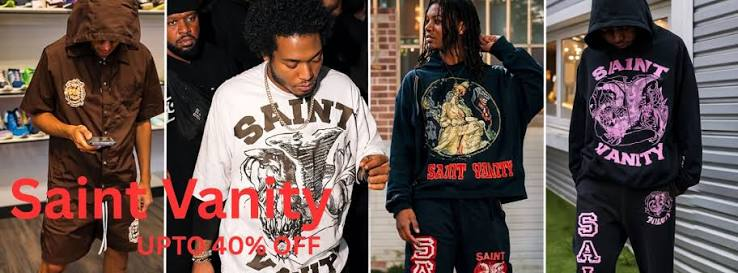
The Supreme Hooded Sweatshirt represents a familiar garment that can work across many casual settings. Its relaxed shape makes it suitable for layering, while details such as fabric weight, colour, and graphic placement influence its overall character. A simple design can complement patterned trousers or a statement jacket, whereas a bold print may look more balanced with understated pieces. For cooler days, a suitable outer layer adds warmth without requiring a complicated outfit. Checking sizing and following care instructions can help maintain the garment's appearance and comfort.
Building a Wardrobe Around Your Interests
A useful wardrobe reflects both personal taste and everyday requirements. Start by identifying the garments you wear most often and consider why they work well. Perhaps you prefer loose silhouettes, darker colours, vintage-inspired graphics, or lightweight layers. These observations can guide future purchases and help create a consistent visual direction. Supreme Clothing can be considered within the wider streetwear landscape, where casual essentials and expressive pieces provide different ways to build individual outfits. The goal is to choose items that complement one another instead of collecting garments that rarely leave the wardrobe.
Using Accessories to Add Character
Accessories can introduce creative details without requiring a complete outfit change. Caps, bags, belts, jewellery, and distinctive footwear can connect different pieces or add contrast to a simple combination. Someone interested in photography might prefer a practical crossbody bag, while a person drawn to vintage fashion could choose accessories with an older visual character. It is helpful to select items that serve a purpose as well as contributing to the overall look. A few well-chosen details often create a stronger impression than wearing too many competing accessories.
Exploring Vintage and Contemporary Combinations
Vintage clothing offers a way to bring history and individuality into modern streetwear. Older graphic designs, faded colours, classic sportswear, and traditional silhouettes can create interesting contrasts with contemporary pieces. For example, a vintage-inspired top might work with modern relaxed trousers and clean trainers. The combination feels distinctive because it brings different visual references together. When shopping for vintage garments, pay attention to condition, sizing, and care requirements. A piece should be comfortable and practical enough to wear, not simply attractive because it has an older appearance.
Making Everyday Outfits More Versatile
Supreme Hoodie styling can demonstrate how one casual garment may support several different combinations. Pairing it with denim and trainers creates a straightforward daytime outfit, while adding a structured jacket can introduce a sharper appearance. Different trouser shapes also change the overall proportions, allowing the same top to feel relaxed or more carefully styled. Neutral colours make coordination easier, while brighter shades can provide a focal point. Considering the weather, planned activities, and desired level of comfort helps ensure that an outfit works beyond the mirror or a photograph.
Developing Creativity Without Overspending
Creative style does not require a constant stream of new purchases. Rearranging existing garments, trying unfamiliar combinations, and experimenting with accessories can reveal new possibilities. A plain shirt may look different when layered beneath an open overshirt, while changing footwear can alter the mood of an otherwise familiar outfit. Keeping a record of successful combinations can also make getting dressed easier on busy mornings. When shopping is necessary, prioritise garments that work with several items already owned. This approach supports creativity while keeping spending purposeful and manageable.
Taking Care of Clothes That Matter
Clothing connected to personal interests may become a favourite part of a wardrobe, making proper care worthwhile. Always follow the manufacturer's care label, particularly for printed garments, delicate materials, and decorative details. Avoid washing items more frequently than necessary when they remain clean and suitable for reuse. Storing clothing in a dry, organised space also helps maintain its condition. Small habits can extend the useful life of everyday garments and preserve designs that hold personal meaning, whether they reflect a favourite music scene, artistic interest, or memorable experience.
Turning Inspiration Into Personal Identity
Inspiration becomes most valuable when it helps people discover their own preferences. Looking at different styles can introduce new ideas, but individual taste develops through experimentation and everyday experience. A person might begin with music-inspired graphics and gradually discover a preference for vintage layers or minimalist accessories. These changes are a natural part of developing personal style. There is no need to maintain one appearance forever or follow every emerging trend. Clothing can evolve alongside hobbies, interests, and lifestyle changes while continuing to reflect the person wearing it.
The Lasting Value of Creative Streetwear
Streetwear remains appealing because it provides room for both practicality and creative expression. Comfortable essentials make everyday dressing easier, while graphics, accessories, vintage influences, and unusual combinations introduce personality. Hobbies offer an additional source of inspiration, helping people connect their clothing choices with the activities and communities that matter to them. A thoughtful wardrobe does not need to be large or expensive to feel distinctive. By paying attention to fit, colour, versatility, and personal interests, anyone can create a style that feels authentic and continues to develop naturally over time.

About Barbas Hats
The Barbas Hats team highlights individual style, hat fashion inspiration, and creative ways to accessorize everyday outfits.

Popular Categories
Stay Connected
Recent Posts