Chrome Hearts Cap Styling for Creative Streetwear Photograph
Understanding the Connection Between Fashion and Photography
Streetwear photography is about more than capturing an outfit. It combines clothing, location, lighting, composition, and personal expression to create images with a recognizable mood. A simple outfit can look striking when photographed against an interesting background, while an elaborate combination may feel distracting if the surroundings compete for attention.
A Chrome Hearts Cap can provide a focal point for a streetwear photograph when its shape, color, and details complement the rest of the outfit. Rather than filling the frame with multiple statement pieces, consider building the look around a few coordinated elements. This creates a clearer visual story and allows the clothing to stand out naturally.
The strongest fashion photographs often communicate a particular atmosphere. Concrete architecture may create an industrial feeling, while warm sunlight and older buildings can suggest a vintage aesthetic. Choosing a setting that fits the outfit helps produce images that feel intentional rather than randomly assembled.
Selecting Outfits That Photograph Well
Clothing can appear different in photographs than it does in person. Colors may look brighter under direct sunlight, dark fabrics can lose visible detail in shadows, and oversized silhouettes may appear even larger depending on the camera angle. Understanding these effects makes outfit selection easier.
Neutral colors such as black, white, gray, and beige provide a reliable foundation for streetwear photography. They work well against many backgrounds and help maintain a consistent visual theme. If the setting is mostly gray concrete, for example, a contrasting jacket or lighter shirt can prevent the outfit from blending into the surroundings.
A Chrome Hearts Hat can be styled with a plain T-shirt, relaxed denim, and a structured jacket to create a balanced look for portraits. Pay attention to how the brim frames the face and whether the clothing creates a clear silhouette. Small adjustments to the jacket, trouser length, or posture can make the entire composition appear more polished.
Finding Locations With Strong Visual Character
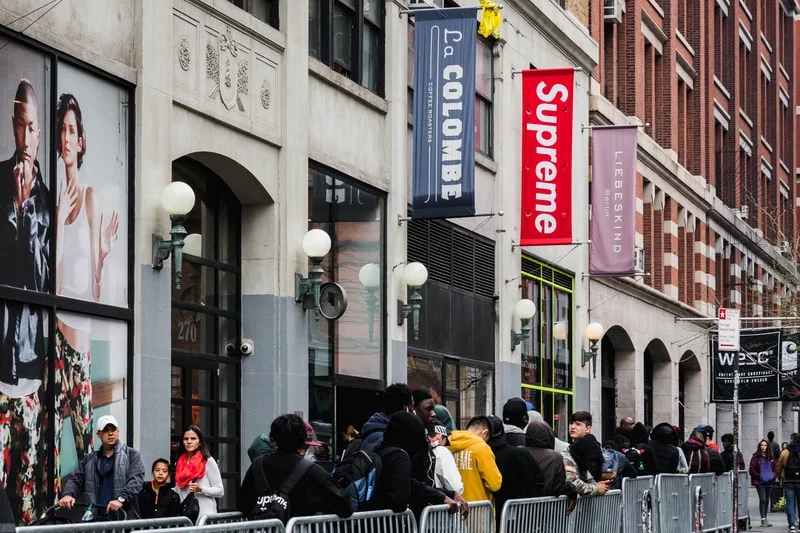
The location contributes as much to a photograph's atmosphere as the outfit itself. Urban environments offer a wide range of backgrounds, including brick walls, metal shutters, staircases, parking structures, and modern architectural lines. These settings can complement the relaxed, expressive character of contemporary streetwear.
Look for backgrounds with interesting textures but limited visual clutter. A wall with subtle patterns may add depth without distracting from the subject. Repeating lines, doorways, and stair rails can also guide the viewer's attention toward the outfit.
Before photographing in a private property, commercial venue, or restricted area, make sure photography is permitted. Public locations are often more convenient, but it is still important to respect pedestrians and avoid blocking walkways. Choosing a safe, accessible location makes the creative process easier and more enjoyable.
Using Natural Light to Improve Outfit Details
Lighting has a major influence on how clothing textures and colors appear in photographs. Soft natural light is particularly useful for streetwear portraits because it reduces harsh shadows and helps preserve details across the face and clothing.
Overcast conditions can create evenly distributed light, making them suitable for photographing dark garments or accessories. During sunny weather, early morning and late afternoon often provide softer illumination than the middle of the day. If direct sunlight is unavoidable, positioning the subject near open shade can help create a more balanced result.
When photographing Chrome Hearts Hats, pay attention to the brim's shadow. A low brim can obscure the eyes, while a higher position may change the shape of the face in the frame. Experiment with small adjustments until the subject's expression and the accessory's details remain visible without looking forced.
Experimenting With Camera Angles and Composition
Camera angle changes how an outfit is perceived. A straight-on portrait creates a direct, balanced appearance, while a slightly lower angle can emphasize outerwear and create a stronger silhouette. Wider compositions show how the clothing interacts with its surroundings, whereas closer frames highlight details such as stitching, fabric texture, and accessories.
Avoid relying on one angle for every photograph. Capture a mixture of full-body images, waist-up portraits, and close-up details. This variety creates a more complete visual collection and gives you options when selecting photographs for a portfolio or social media feed.
Composition also benefits from intentional spacing. Leaving some empty space around the subject can make the image feel cleaner, while architectural lines can direct attention toward the clothing. If the background contains strong patterns, keep the pose relatively simple so that the photograph does not become visually overwhelming.
Creating Contrast With Textures and Layers
Texture helps distinguish clothing pieces even when they share similar colors. Denim, fleece, leather-style materials, cotton, and technical fabrics each reflect light differently. Combining a few of these surfaces creates depth that remains interesting in both color and black-and-white photographs.
For example, a matte sweatshirt beneath a structured jacket can produce a subtle contrast without requiring bright colors. Relaxed denim adds texture below, while clean footwear keeps the outfit visually grounded. These combinations work especially well in urban settings where concrete, metal, and brick already provide strong surface details.
Chrome Hearts Trucker Hats can add another textural element through their panel construction and mesh sections. Consider how these details interact with the jacket, shirt, and background. A visually balanced photograph usually has a clear primary subject, with supporting textures adding depth rather than competing for attention.
Directing Poses That Feel Natural
A photograph can look less convincing when the pose feels overly rehearsed. Natural movements often produce more expressive results, particularly when the goal is to capture everyday streetwear rather than a formal fashion campaign.
Try walking slowly toward the camera, adjusting a jacket sleeve, leaning against a wall, or looking away from the lens. These actions provide a simple point of focus and can help the subject feel more relaxed. Keep hands and shoulders comfortable, and avoid repeating the same pose in every frame.
Movement can also create a sense of energy. A slight turn, a step across the frame, or a change in gaze introduces variation while keeping the clothing visible. Take several photographs during each movement so that small differences in expression and posture can be reviewed later.
Editing Photographs Without Losing Authenticity
Editing can help create a consistent style across a collection of images. Basic adjustments to exposure, contrast, white balance, and cropping often make a meaningful difference without requiring dramatic filters.
Keep clothing colors reasonably close to their real appearance, particularly when the photograph is intended to document an outfit accurately. Excessive contrast may hide details in dark fabrics, while strong saturation can make neutral tones look unnatural. A consistent editing approach helps separate a recognizable visual style from temporary effects.
Cropping should support the original composition rather than remove important context. Leave enough space around the subject when the setting contributes to the story, and use closer crops when the focus is on garment details. Reviewing photographs together can help establish a coherent visual identity across a complete series.
Developing a Recognizable Streetwear Photography Style
A personal photography style develops through experimentation and thoughtful repetition. You might prefer minimal backgrounds, nighttime city scenes, vintage-inspired color grading, or bright natural light. Exploring these approaches helps identify the combinations that best communicate your creative vision.
Choose a few visual elements to repeat, such as a particular color palette, architectural setting, or framing technique. Consistency can make a collection feel connected, while changes in outfits and locations keep individual photographs interesting.
The most effective images balance clothing, environment, and composition. By paying attention to light, texture, camera angles, and natural poses, you can produce streetwear photographs that feel expressive without appearing overproduced. The aim is to capture a genuine relationship between personal style and the surroundings.
Frequently Asked Questions
What is the best lighting for streetwear photography?
Soft natural light is a reliable starting point. Overcast skies and shaded locations help preserve clothing details while reducing harsh shadows.
Which backgrounds work well for urban fashion photos?
Brick walls, concrete structures, metal shutters, staircases, and simple architectural settings can complement streetwear without distracting from the outfit.
How can outfit details remain visible in photographs?
Use balanced lighting, avoid excessively dark exposure, and capture a mixture of full-body images and closer detail shots.
Do I need professional camera equipment?
No. A smartphone can produce effective fashion photographs when you pay attention to lighting, composition, focus, and the background.
How can I create a consistent photography aesthetic?
Repeat selected visual elements, such as color palettes, lighting conditions, or framing styles, while experimenting with different outfits and locations.

About Barbas Hats
The Barbas Hats team highlights individual style, hat fashion inspiration, and creative ways to accessorize everyday outfits.
Popular Categories
Stay Connected
Recent Posts