Infrared Thermal Imaging Home Inspection: Guide for 2026
Home inspections have evolved significantly as technology has become more accessible to property professionals. Traditional visual inspection remains essential, but modern tools can provide additional information about areas that may not be obvious during a standard walkthrough.
An infrared thermal imaging home inspection uses an infrared camera to identify temperature differences across surfaces. These thermal patterns can sometimes help an inspector locate areas that deserve closer investigation, including possible moisture conditions, electrical abnormalities, insulation gaps, or HVAC-related concerns.
Thermal imaging does not replace a traditional inspection. Instead, it can serve as a valuable supplemental tool when used appropriately by a trained professional.
What Is Infrared Thermal Imaging?
Infrared cameras detect infrared radiation emitted from surfaces and translate temperature differences into a visual thermal image.
Unlike a conventional camera, a thermal imaging camera does not simply capture visible light. It displays variations in surface temperature.
For example, a wall may appear completely normal during a visual inspection, while a thermal image could reveal an unusual temperature pattern. That pattern does not automatically indicate a defect, but it may tell the inspector where additional investigation could be useful.
Why Thermal Imaging Can Be Valuable
Some building conditions are difficult to identify visually. Thermal imaging can help an inspector recognize patterns that might otherwise receive less attention.
Potential applications include:
- Identifying temperature anomalies
- Investigating possible moisture patterns
- Checking electrical components for unusual heat
- Evaluating HVAC performance
- Looking for insulation inconsistencies
- Examining areas around windows and doors
The technology is particularly useful as part of a broader inspection process rather than as a standalone diagnostic method.
Detecting Possible Moisture Patterns
One of the most useful applications of thermal imaging is identifying temperature patterns that may be associated with moisture.
Water can change the thermal characteristics of building materials. Under suitable conditions, a thermal camera may show a cooler or warmer area that differs from surrounding surfaces.
Possible areas of interest include:
- Ceilings
- Walls
- Floors
- Around plumbing fixtures
- Near windows
- Around HVAC equipment
However, a thermal anomaly does not prove that moisture is present. An inspector may use a moisture meter or other methods to investigate the area further.
Electrical System Applications
Electrical components can sometimes develop abnormal heat when they are overloaded, loose, damaged, or otherwise operating improperly.
Thermal imaging may help identify unusual temperature patterns at accessible electrical components.
Potential areas for examination can include:
- Electrical panels
- Breakers
- Connections
- Certain accessible electrical equipment
Thermal imaging cannot determine the exact cause of an abnormal temperature. When a concern is identified, a qualified electrician should perform the appropriate evaluation.
HVAC Inspection Support
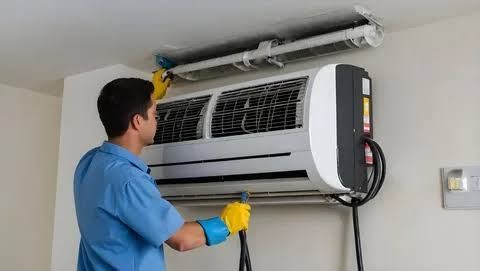
Heating and cooling systems can also benefit from thermal imaging. Temperature differences across vents, ducts, equipment, and surrounding surfaces may provide useful information about system operation.
An inspector may use thermal imaging to investigate:
- Uneven temperature patterns
- Possible insulation issues
- HVAC airflow concerns
- Temperature differences around equipment
- Potential duct-related problems
These observations can help determine whether additional HVAC evaluation is appropriate.
Identifying Insulation Gaps
Insulation plays an important role in energy efficiency and indoor comfort. Missing or inconsistent insulation can sometimes create noticeable temperature differences on interior surfaces.
Thermal imaging may help identify areas where temperature patterns differ from surrounding sections.
Potential locations include:
- Attic ceilings
- Exterior walls
- Around windows
- Around doors
- Ceiling transitions
Further investigation may be necessary to determine whether an observed pattern is actually caused by insulation.
Windows and Doors
Poorly sealed windows and doors can allow unwanted air movement and contribute to inconsistent indoor temperatures.
Thermal imaging may show temperature differences around frames, edges, and nearby surfaces.
This can help inspectors identify areas where additional examination of weatherstripping, seals, or installation may be warranted.
What Thermal Imaging Cannot Do
It is important to understand that an infrared thermal imaging home inspection is not the same as using X-ray technology. Thermal cameras do not see through walls or identify hidden objects directly.
A thermal image only shows surface temperature patterns.
Several factors can influence thermal readings, including:
- Outdoor temperature
- Indoor temperature
- Sun exposure
- Wind
- Surface materials
- Reflections
- Air movement
- Camera settings
- Building construction
For this reason, thermal images should always be interpreted by someone who understands both the technology and building systems.
Thermal Imaging and Moisture Meters Work Together
Thermal imaging can identify a temperature anomaly, while a moisture meter may help determine whether elevated moisture is actually present in an accessible material.
Using multiple inspection methods can provide stronger evidence than relying on a single tool.
For example:
- A thermal camera identifies an unusual cool area.
- The inspector examines the surrounding building materials.
- Moisture measurements are taken where appropriate.
- The inspector determines whether further investigation is warranted.
This layered approach helps reduce the risk of incorrectly interpreting a thermal pattern.
Benefits for Homebuyers
Homebuyers want to understand as much as possible about a property before making a major financial commitment.
An infrared thermal imaging home inspection can supplement a conventional home inspection by helping identify areas that may deserve additional attention.
Potential benefits include:
- Identifying unusual temperature patterns
- Investigating possible moisture conditions
- Examining HVAC performance
- Finding areas of possible insulation inconsistency
- Supporting more detailed inspection observations
Thermal imaging is especially useful when combined with photographs and clear explanations in the inspection report.
Benefits for Sellers
Sellers can also benefit from supplemental thermal imaging before listing a property. Identifying potential concerns early can give homeowners more time to investigate and address appropriate issues.
For example, thermal imaging might highlight an area that warrants additional inspection before the home is placed on the market.
Being proactive can help sellers reduce unexpected surprises during the buyer's inspection process.
Thermal Imaging in Florida Homes
Florida's climate can make thermal imaging particularly useful as a supplemental inspection technology. High temperatures, strong sunlight, humidity, and heavy air-conditioning use create distinctive thermal conditions in residential buildings.
Potential areas of interest may include:
- HVAC systems
- Attic insulation
- Exterior walls
- Windows and doors
- Moisture-prone areas
- Electrical components
Because environmental conditions influence thermal readings, inspectors should interpret results in the context of the property's location and current conditions.
Why Thermal Imaging Matters in 2026
Technology continues to improve the way inspectors document and evaluate properties. Thermal cameras are becoming increasingly useful for identifying temperature patterns that may not be visible during a conventional inspection.
However, the value of thermal imaging depends on how the technology is used. Professional interpretation is essential because a temperature difference can have many possible explanations.
A professional infrared thermal imaging home inspection can combine thermal technology with visual inspection, moisture measurement, photographs, and other appropriate techniques to provide a more comprehensive understanding of observable property conditions.
Conclusion
Modern inspection technology can provide homeowners and buyers with additional information when used correctly. Thermal imaging is particularly useful for identifying temperature patterns that may point toward areas requiring closer examination.
An infrared thermal imaging home inspection does not replace a traditional inspection and cannot guarantee that hidden defects will be discovered. Instead, it works as a supplemental tool that can help professionals investigate moisture concerns, electrical temperature anomalies, HVAC patterns, insulation inconsistencies, and other conditions.
For homeowners, buyers, and sellers in 2026, combining experienced inspection practices with appropriate technology can provide valuable insight and support more informed property decisions.

About Premium Author
This post has been authored and published by one of our premium contributors, who are experts in their fields. They bring high-quality, well-researched content that adds significant value to our platform.

Popular Categories
Stay Connected
Recent Posts