Four Point Inspection: 2026 Florida Homeowner Guide
Owning a home in Florida comes with unique responsibilities. High temperatures, humidity, heavy rainfall, and severe weather can place additional demands on a property's major systems. For homeowners with older properties, understanding the condition of the roof, electrical system, plumbing, and HVAC system is especially important.
A professional four point inspection provides a focused evaluation of these four major systems. While many homeowners associate this type of inspection with property insurance, it can also provide valuable information about maintenance needs and the overall condition of a home.
Whether you're purchasing an older property, preparing for an insurance review, or simply planning long-term home maintenance, a four-point inspection can help you make more informed decisions in 2026.
What Is a Four Point Inspection?
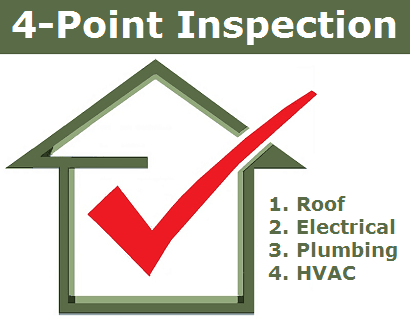
A four-point inspection focuses on four essential areas of a residential property:
- Roof
- Electrical system
- Plumbing system
- HVAC system
An inspector typically examines accessible components and documents their apparent age, type, condition, and visible deficiencies.
Unlike a full home inspection, which covers many areas throughout the property, a four-point inspection has a more limited scope centered on these four major systems.
Insurance requirements differ among companies and policies, so homeowners should verify the current requirements with their insurance provider.
Why Is a Four Point Inspection Important in Florida?
Florida's climate can be demanding on residential properties. Roofs are exposed to strong sunlight, rain, wind, and humidity, while HVAC systems often operate for long periods throughout the year.
Plumbing and electrical systems can also deteriorate with age.
A four point inspection can help document the apparent condition of these major systems and identify visible concerns that may require maintenance, repair, or further evaluation.
For homeowners, the inspection can also provide a clearer understanding of which major components may need attention in the future.
1. Roof Inspection
The roof is one of the most important protective components of a home.
During a four-point inspection, the inspector may document the roofing material, approximate age, visible condition, and signs of deterioration.
Homeowners should look for obvious concerns such as:
- Missing or damaged roofing materials
- Damaged flashing
- Visible deterioration
- Water stains
- Signs of leaks
- Damaged roof penetrations
If a significant roofing concern is identified, a qualified roofing professional may need to perform a more specialized evaluation.
Homeowners should also keep records of roof replacement and repair work whenever possible.
2. Electrical System Inspection
Electrical systems are another major focus of a four-point inspection.
Before the inspection, homeowners should make sure the electrical panel is accessible. Boxes, furniture, shelving, or stored belongings should not prevent safe access.
Visible concerns may include:
- Damaged outlets
- Exposed wiring
- Broken switches
- Improper installations
- Signs of overheating
- Deteriorated components
Electrical repairs should be completed by appropriately qualified professionals. Homeowners should never attempt potentially hazardous repairs simply to prepare for an inspection.
If electrical upgrades have been completed, keep relevant invoices, permits, and documentation.
3. Plumbing System Inspection
A small plumbing leak can eventually result in significant water damage.
Homeowners should check accessible plumbing areas, including beneath sinks, around toilets, near water heaters, and around visible connections.
Potential warning signs include:
- Leaking faucets
- Corroded pipes or connections
- Damaged supply lines
- Water stains
- Leaks beneath sinks
- Water heater concerns
- Unexplained moisture
Addressing known plumbing problems early can help prevent secondary damage to cabinets, floors, walls, and other materials.
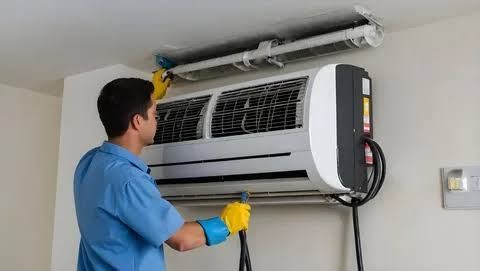
4. HVAC System Inspection
Florida homeowners depend heavily on their heating and cooling systems. HVAC maintenance is therefore an important part of protecting a property.
Before an inspection, make sure the equipment is accessible and operating normally.
Basic maintenance can include:
- Replacing dirty filters
- Keeping equipment areas clear
- Checking for visible condensate leaks
- Scheduling routine professional service
- Investigating unusual noises
- Addressing poor airflow
If the HVAC system has recently been replaced or serviced, retain the relevant documentation.
How to Prepare for a Four Point Inspection
Preparation does not mean trying to hide defects. The best approach is to make sure the home is accessible, maintained, and properly documented.
Before the inspector arrives:
- Clear access to the electrical panel.
- Make HVAC equipment accessible.
- Make relevant plumbing components accessible.
- Ensure attic access is available where applicable.
- Gather records for major repairs and replacements.
- Address known leaks and maintenance concerns.
- Make sure the property's utilities are available as appropriate for the inspection.
Giving yourself enough time to prepare can make the process much smoother.
Keep Records of Major Home Improvements
Documentation can help establish the history of a home's major systems.
Useful records may include:
- Roof replacement documents
- Roof repair invoices
- HVAC installation and service records
- Plumbing repair receipts
- Electrical upgrade documentation
- Previous inspection reports
- Equipment information
Maintaining these records can be beneficial for insurance, future maintenance, and eventual resale.
Is a Four Point Inspection a Pass-or-Fail Test?
Many homeowners ask whether they will "pass" a four point inspection.
It is more accurate to view the inspection as a documentation and evaluation process. The inspector reports observed conditions and characteristics of the four major systems.
An insurance company may then use the information according to its own underwriting requirements.
Depending on the circumstances, an insurer may request additional documentation, repairs, or specialist evaluations.
For this reason, homeowners should focus on maintaining the property properly rather than looking for shortcuts to achieve a particular inspection result.
Why Older Homes Require Extra Attention
Older homes may contain aging roofs, plumbing, electrical systems, or HVAC equipment.
A system can continue functioning while approaching the end of its useful service life. Identifying its age and condition can help homeowners plan for future expenses.
If you own an older Florida property, consider arranging professional maintenance before an insurance-related inspection. Early evaluation gives you more time to address legitimate concerns.
Four Point Inspection vs. Full Home Inspection
These two inspections serve different purposes.
A full home inspection generally covers many accessible components throughout the property, including structural elements, interiors, exteriors, appliances, and other systems.
A four point inspection is much more focused and concentrates primarily on the roof, electrical, plumbing, and HVAC systems.
Homeowners should choose the inspection that matches their particular needs. In some situations, both types of inspections can provide useful information.
Benefits Beyond Insurance
Insurance requirements may be the primary reason for scheduling a four-point inspection, but homeowners can gain other benefits as well.
The inspection can help you:
- Identify visible deficiencies
- Understand the age of major systems
- Plan future maintenance
- Budget for replacements
- Recognize potential safety concerns
- Maintain better property records
For someone purchasing an older home, this information can be particularly useful when developing a long-term maintenance plan.
Proactive Home Maintenance in 2026
Waiting for a major system to fail can be expensive and disruptive. Regular maintenance and professional evaluations can help homeowners identify potential problems before they become emergencies.
Florida homeowners should pay particular attention to their roof, electrical system, plumbing, and HVAC equipment.
A four-point inspection provides a useful snapshot of these systems and can help homeowners make informed decisions about maintenance and repairs.
Conclusion
A four point inspection focuses on four essential components of a home: the roof, electrical system, plumbing system, and HVAC system. For Florida homeowners, evaluating these systems is especially important because of the state's climate and the age of many residential properties.
Proper preparation, routine maintenance, accurate documentation, and professional repairs can make the inspection process more efficient and help homeowners better understand their property's condition.
In 2026, proactive home maintenance is a smart investment. A professional four-point inspection can provide valuable insight into major home systems while helping homeowners prepare for insurance requirements, future repairs, and long-term property ownership.

About Premium Author
This post has been authored and published by one of our premium contributors, who are experts in their fields. They bring high-quality, well-researched content that adds significant value to our platform.
Popular Categories
Stay Connected
Recent Posts