Ductless Mini-Split Service | Efficient Zoned HVAC Solutions 2026
Modern homeowners are looking for heating and cooling solutions that provide dependable comfort without wasting energy. While traditional central HVAC systems remain popular, ductless mini-split systems have become an attractive option for homes and businesses that need flexible temperature control.
Ductless systems can be particularly useful for additions, converted garages, individual rooms, older properties without existing ductwork, and spaces where different areas require different temperatures. However, like any HVAC equipment, mini-splits need professional attention to maintain reliable performance.
Professional Ductless Mini-Split Service can help property owners keep their systems operating efficiently, identify developing problems, and extend the useful life of their equipment.
What Is a Ductless Mini-Split System?
A ductless mini-split system typically consists of an outdoor condenser unit connected to one or more indoor air-handling units. Unlike conventional central air conditioning, it does not require a network of ducts to distribute conditioned air.
This design provides several potential advantages:
- Flexible installation
- Individual room temperature control
- No ductwork required
- Compact indoor units
- Zoned comfort
- Efficient operation with compatible equipment
Multi-zone systems can connect several indoor units to a single outdoor unit, allowing different areas of a property to have customized temperature settings.
Why Regular Mini-Split Service Matters
Although ductless systems have relatively compact designs, they still contain important mechanical, electrical, and refrigerant components.
Over time, dust, restricted airflow, drainage issues, electrical problems, and normal component wear can affect performance.
Signs that a mini-split may need professional attention include:
- Reduced cooling or heating
- Weak airflow
- Unusual noises
- Water dripping from an indoor unit
- Frequent cycling
- Unpleasant odors
- Ice accumulation
- Higher energy consumption
- Difficulty maintaining the selected temperature
Addressing these signs early can help prevent a minor problem from becoming a more significant repair.
What Does Ductless Mini-Split Service Include?
Professional Ductless Mini-Split Service can involve inspection, cleaning, troubleshooting, and performance testing.
Depending on the system, a technician may inspect:
- Indoor air-handling units
- Outdoor condenser components
- Filters
- Coils
- Fans and motors
- Refrigerant performance
- Drainage systems
- Electrical connections
- Remote controls
- Thermostats
- System operating modes
The exact service depends on the equipment's design, age, manufacturer requirements, and condition.
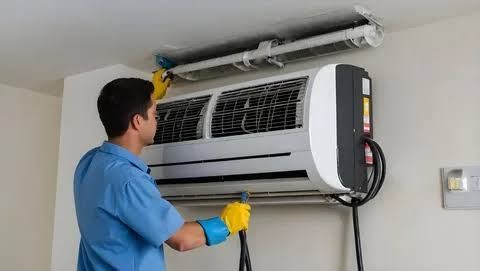
Cleaning Indoor Units Is Important
Indoor mini-split units can collect dust and airborne particles over time. Filters should be cleaned or replaced according to the manufacturer's recommendations.
However, filter maintenance alone may not address dirt that accumulates on other components.
Professional service can include appropriate cleaning of accessible components to help maintain airflow and system performance.
Keeping indoor units clean can also help reduce the buildup of dust and debris within the equipment.
Drainage Problems Can Cause Water Leaks
Ductless mini-split systems remove moisture during cooling operation. That moisture needs to drain properly through the condensate system.
If the drain becomes blocked or another drainage problem develops, water may accumulate around the indoor unit.
Signs of a possible drainage issue include:
- Water dripping from the indoor unit
- Moisture around the wall
- Musty odors
- Unexpected indoor humidity
- Reduced system performance
A professional technician can inspect the drainage system and identify the source of the problem.
Mini-Split Systems and Energy Efficiency
One of the reasons homeowners choose ductless systems is the potential for efficient zoned operation. Instead of conditioning the entire property equally, occupants can focus heating or cooling on areas that are being used.
This approach may be particularly useful in homes where certain rooms have different occupancy patterns.
However, efficiency depends on factors such as:
- Equipment selection
- Proper sizing
- Installation quality
- Temperature settings
- Building insulation
- Maintenance
- Outdoor conditions
Regular professional service can help ensure the equipment continues operating as intended.
Zoned Comfort for Different Rooms
A major advantage of ductless mini-split technology is the ability to create individual comfort zones.
For example, a homeowner may want:
- A cooler bedroom at night
- A comfortable home office during working hours
- Less conditioning in an unused guest room
- Customized temperatures across different floors
Multi-zone systems can provide this flexibility when properly designed and installed.
Smart Mini-Split Technology in 2026
Ductless HVAC technology continues to become more connected. Many modern systems can integrate with smart controls, smartphone applications, and home automation platforms.
Depending on the model, homeowners may be able to:
- Adjust temperatures remotely
- Create schedules
- Monitor system operation
- Switch between operating modes
- Receive maintenance notifications
- Control individual zones
These features provide convenience and greater control over indoor comfort.
Still, smart controls cannot replace professional maintenance. Physical components require inspection and cleaning even when the system can be controlled from a smartphone.
When Does a Mini-Split Need Repair?
A ductless system may need repair when a specific component stops operating correctly.
Professional diagnosis may be necessary if the system:
- Produces insufficient cooling
- Does not heat properly
- Makes unusual noises
- Shows error codes
- Develops ice buildup
- Experiences drainage problems
- Fails to respond to controls
A technician can identify whether the issue involves the indoor unit, outdoor unit, controls, refrigerant circuit, electrical components, or another part of the system.
Repair or Replace Your Mini-Split?
Like other HVAC equipment, ductless systems eventually reach the end of their practical service life.
Replacement may be worth considering when:
- The system is significantly aged
- Repairs are becoming frequent
- Major components are failing
- Energy performance has declined
- Replacement parts are difficult to source
- The system no longer meets the property's comfort needs
An HVAC professional can compare repair requirements with the benefits of modern replacement equipment.
Choosing a Ductless HVAC Professional
When searching for Ductless Mini-Split Service, homeowners should choose an HVAC provider experienced with ductless equipment.
Look for a provider that offers:
- Ductless system maintenance
- Mini-split repair
- Installation and replacement
- Multi-zone system expertise
- Professional diagnostics
- Indoor air quality services
- Clear recommendations
- Transparent pricing
Experience with both single-zone and multi-zone systems can be particularly valuable when troubleshooting more complex installations.
Conclusion
Ductless mini-split systems offer homeowners and businesses a flexible approach to heating and cooling. Their ability to provide zoned comfort without traditional ductwork makes them an attractive choice for many modern properties.
Professional Ductless Mini-Split Service can help maintain system performance, address drainage and airflow problems, identify component issues, and support efficient operation.

About Premium Author
This post has been authored and published by one of our premium contributors, who are experts in their fields. They bring high-quality, well-researched content that adds significant value to our platform.

Popular Categories
Stay Connected
Recent Posts